Starting Your Jiu-Jitsu Journey: What First-Time Students Experience at Inverted Gear Academy
Walking through the doors of a martial arts academy for the first time feels a bit like stepping into unknown territory. I remember the first time I considered trying jiu-jitsu there was this mix of excitement and nervousness that made my palms slightly sweaty. At Inverted Gear Academy in Bethlehem, PA, that feeling transforms pretty quickly into something more comfortable, more welcoming than you might expect.
The thing about starting jiu-jitsu is that everyone remembers being exactly where you are right now. That nervous energy, the uncertainty about what to wear or how to act it's all completely normal. And honestly, it's part of what makes the community at Inverted Gear Academy so understanding when new students walk in.
The Warm Welcome That Sets Everything in Motion
Your first experience at Inverted Gear Academy begins before you even step onto the mats. The front desk staff understands that walking into a new environment takes courage, and they make a point of explaining what happens next. You'll likely meet your instructor early, and they'll walk you through the basic layout of the academy where to change, where to put your belongings, and how the class structure works.
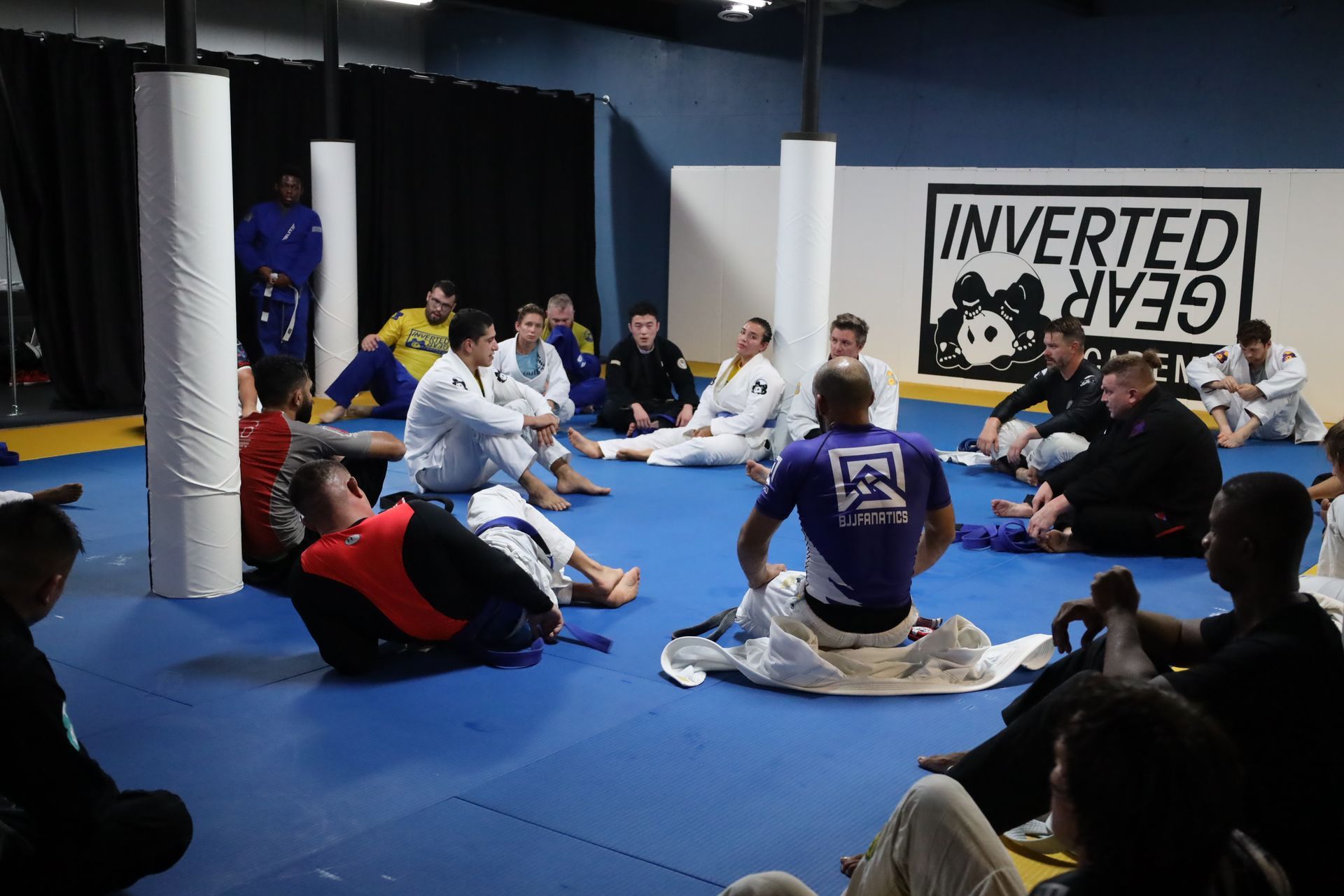
Most first-time students arrive about fifteen minutes early, which gives you time to observe the space and maybe watch a few minutes of the previous class finishing up. There's something reassuring about seeing people of all ages and fitness levels training together. The atmosphere feels focused but relaxed, if that makes sense.
Understanding the Class Flow
Every jiu-jitsu class at Inverted Gear Academy follows a structure that makes sense once you experience it. The warm-up starts with basic movements that might feel foreign at first bridging, shrimping, and simple rolls that prepare your body for what comes next. Your instructor will demonstrate each movement slowly, and you're encouraged to move at your own pace.
The technique portion comes next, where your instructor breaks down fundamental movements step by step. During your first class, you'll likely learn basic positions like guard, mount, or side control. These form the foundation of everything else you'll eventually learn in jiu-jitsu. The instructor demonstrates each technique multiple times, and experienced students often help newer members understand the finer details.
Partner drilling follows the demonstration. This is where you practice the techniques with another student, usually someone who's been training for a while and can guide you through the movements. The drilling phase builds muscle memory through repetition, and it's perfectly normal to feel awkward during your first attempts.
What You'll Actually Learn
Your first jiu-jitsu class focuses on fundamental concepts rather than complex techniques. You'll discover basic body positioning, how to maintain balance, and simple ways to escape from uncomfortable situations. These might seem basic, but they form the cornerstone of effective jiu-jitsu practice.
Most beginners start by learning how to fall safely, how to bridge their hips, and basic guard retention. The guard position where you're on your back with your legs controlling your opponent often feels counterintuitive at first. In most situations, being on your back seems disadvantageous, but jiu-jitsu teaches you how to use this position effectively.
You'll also learn fundamental escapes from common positions. These give you tools to improve your situation when you find yourself in disadvantageous spots. The emphasis stays on understanding concepts rather than memorizing specific techniques.
The Physical Reality of Starting
Let's be honest about what your body might experience. After your first class at Inverted Gear Academy, you'll likely feel muscles you forgot you had. Jiu-jitsu uses your entire body in ways that regular exercise often doesn't address. The core engagement required for basic movements, the flexibility needed for certain positions it all adds up.
Some students feel slightly sore the next day, and that's completely normal. The mat burns on your feet and elbows from the friction of movement usually fade within the first week as your skin adapts. The mental fatigue can be just as real as the physical tiredness learning new movements while staying relaxed requires concentration that can be surprisingly exhausting.
Most students find that the initial physical discomfort disappears quickly as their bodies adapt to the movements. The key is showing up consistently, even when you're still figuring things out.
The Mental Game
Starting jiu-jitsu challenges your mind as much as your body. During your first class, you might experience moments of confusion when trying to remember which hand goes where, or how exactly that escape worked when the instructor demonstrated it. This mental puzzle-solving aspect becomes one of the most addictive parts of training.
You'll likely get submitted during your first rolling session, and that's not just normal it's expected. Tapping out isn't failure; it's how you stay safe and learn. Every tap teaches you something about timing, positioning, or technique recognition.
The problem-solving nature of jiu-jitsu means you're constantly thinking several moves ahead, trying to anticipate what your partner might do next. This chess-like quality develops over time, but you'll get glimpses of it even during your first class.
Youth Programs at Inverted Gear Academy
If you're considering youth Brazilian jiu-jitsu for your child, the approach at Inverted Gear Academy emphasizes fun and safety alongside skill development. Kids' classes focus heavily on games that teach fundamental movements without the formal structure of adult classes. Children learn respect, discipline, and confidence through age-appropriate activities.
The youth program builds character while developing physical skills. Children learn to handle both success and failure gracefully, skills that extend well beyond the mats. The instructors understand child development and create an environment where kids can learn at their own pace without pressure.
Building Community Through Training
One unexpected aspect of starting at Inverted Gear Academy is how quickly you become part of a community. Training partners look out for each other, offering encouragement and technical advice. The shared experience of learning difficult skills creates bonds that extend beyond class time.
Higher-ranked students remember being beginners and typically enjoy helping newer members learn the basics. This mentorship culture means you'll always have someone willing to answer questions or demonstrate techniques again.
The community aspect becomes especially apparent during open mat sessions, where students of all levels train together in a less structured environment. These sessions let you practice techniques at your own pace and work on specific areas you want to improve.
Practical Considerations for Your First Visit
Wear comfortable athletic clothes a t-shirt and shorts work perfectly for your first class. Most beginners train in regular workout clothes before deciding to purchase a gi. Inverted Gear Academy typically provides loaner gis for new students who want to try training with the traditional uniform.
Arrive about fifteen minutes early to complete any paperwork and get oriented. Remove jewelry and trim your nails short to prevent injuries during partner work. Bring a water bottle and a small towel if you tend to sweat during exercise.
Most importantly, come with an open mind and realistic expectations. You won't master anything during your first class, and that's perfectly fine. The goal is to get comfortable with the environment and basic movements.
The Transformation Begins
Something interesting happens during those first few weeks of training. The movements that felt impossible during your first class gradually become more natural. Your balance improves, your flexibility increases, and you start understanding the logic behind techniques that initially seemed mysterious.
Many students describe a shift in confidence that extends beyond the academy. Learning to stay calm under pressure, to think clearly when someone is trying to control your movement these skills influence how you handle stress in daily life.
The patience required to learn jiu-jitsu properly teaches you to embrace the learning process rather than rushing toward results. This mindset shift often surprises students who come from achievement-oriented backgrounds.
Your first class at Inverted Gear Academy is really just the beginning of understanding what jiu-jitsu can offer. Whether you're drawn to the self-defense aspects, the physical fitness benefits, or the mental challenges, that initial experience on the mats sets the foundation for everything that follows.
---
Ready to see what all this talk about jiu-jitsu really means? You can check out class schedules and get a feel for what Inverted Gear Academy offers by visiting their website.
If you're curious about watching a class before jumping in, calling ahead to arrange a visit might help ease those first-day nerves.
Sometimes the best way to understand something is simply to show up and experience it scheduling that first class might be exactly what you need to get started.