Brazilian jiu jitsu looks complex from the outside, but your first week can feel surprisingly doable with the right plan.
If you’ve been curious about brazilian jiu jitsu, you’re not alone, and you’re definitely not late to the party. Interest in the sport has climbed dramatically over the last two decades, and we see that same momentum locally in Bethlehem as more people look for training that’s practical, challenging, and honestly kind of fun once you get past the nerves.
This guide is built for beginners who want clear steps, not vague hype. We’ll walk you through what to expect in your first classes, how progress really works, what gear matters (and what doesn’t), and how to train in a way that keeps you learning without burning out.
If your goal is self-defense, fitness, stress relief, or simply learning a skill that rewards patience, we’ll help you start smart and stay consistent. And yes, you can absolutely begin even if you feel “out of shape” or awkward. Most people do.
Why brazilian jiu jitsu is booming and why Bethlehem is a great place to start
Brazilian Jiu-Jitsu is widely considered the fastest-growing combat sport in the United States, with search interest rising more than 100 percent since 2004. That growth isn’t just a trend, it’s a response to what the art actually offers: a system where technique, leverage, and timing matter as much as strength.
Bethlehem adds an interesting layer. With the city’s mix of campus energy, busy professionals, and families, we meet students who want training that fits real life. We also see steady interest from the local college community, including grappling culture connected to nearby campuses. The result is a training environment where beginners are common, which matters more than people realize. When plenty of students are learning at the same time, the room feels less intimidating and more like a team working through the same puzzle.
If you’ve searched for jiu jitsu Bethlehem PA, you’ve probably noticed one big question underneath all the options: What will the first month actually look like? Let’s make that clear.
Step 1: Decide what you want from training (so your plan matches your life)
Before you pick a weekly schedule or buy gear, get specific about your “why.” In brazilian jiu jitsu, consistency beats intensity, so your goal should support a routine you can keep.
Common beginner goals we plan around include:
• Self-defense fundamentals that work under pressure, not just in theory
• Fitness improvements that come from skill practice, not mindless workouts
• A new hobby that reduces stress because you have to focus on one task at a time
• Competition preparation, if you like measurable challenges and testing yourself
• A healthy, structured routine that replaces “I’ll start Monday” with real momentum
Your goal can change over time. That’s normal. What matters is starting with something concrete so you can measure progress in weeks and months, not just vibes.
Step 2: Start with a free intro class and show up a little early
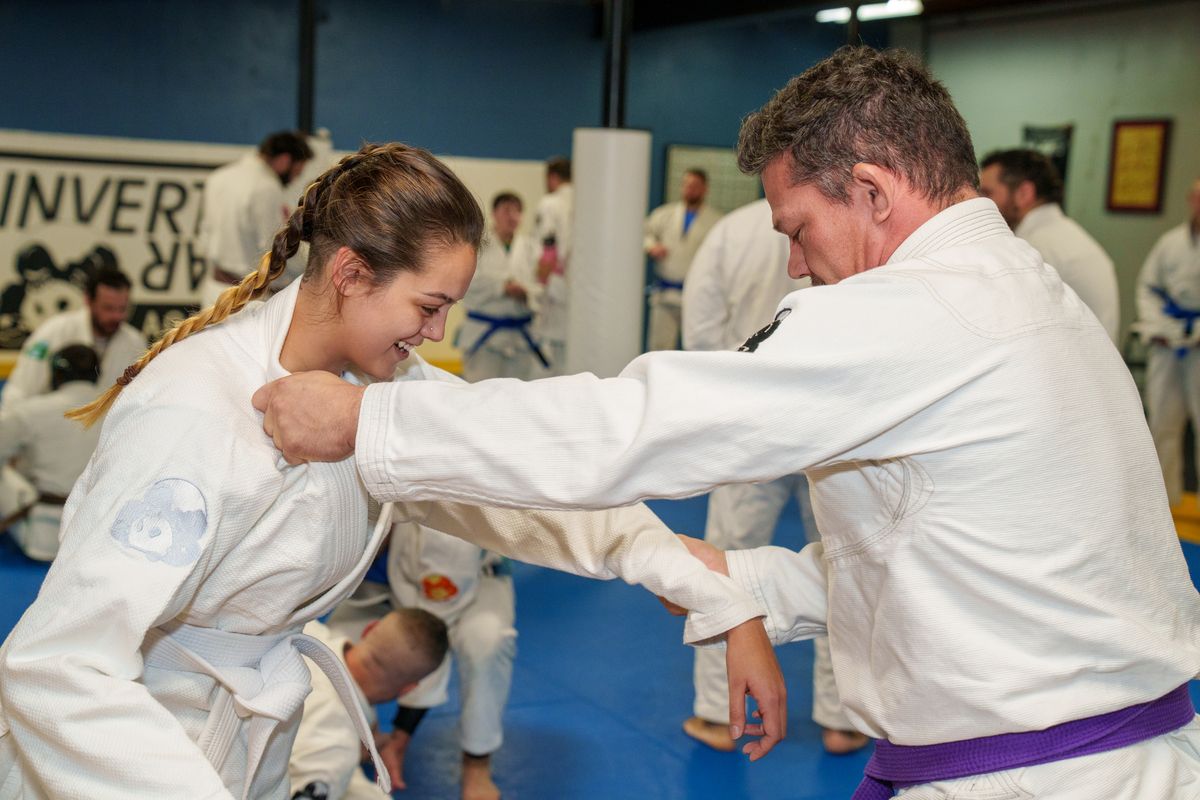
Your first class shouldn’t feel like a test. We treat it like an orientation where you learn how the room works, what training etiquette looks like, and how to stay safe while you’re learning unfamiliar movements.
Plan to arrive 10 to 15 minutes early. That small buffer makes everything smoother: you can meet the coach, ask quick questions, and get comfortable with the space before warm-ups start. If you’re doing brazilian jiu jitsu in Bethlehem PA for the first time, that early arrival takes the edge off, because walking into a room mid-drill can feel like trying to jump onto a moving treadmill.
What to wear for day one is simple: comfortable athletic clothes without zippers, and bring water. If you have a gi, great, but you don’t need to own one before you know you like training.
Step 3: Learn the “survival positions” first (they’re your real foundation)
Beginners often expect to learn submissions immediately. Submissions are part of the art, of course, but the foundation is positional control and escape skills. Think of it like learning to swim: you start with breathing and floating before you worry about speed.
In your first few weeks, we focus on positions you’ll see constantly:
• Guard: using your legs and hips to control distance and off-balance an opponent
• Side control: a top position focused on pressure and preventing movement
• Mount: another top position with strong control and clear attack options
• Back control: dominant control with high-percentage submissions available
• Takedown basics and standing safety: how to fall and how to engage without panic
When you can identify these positions and understand the main goal in each one, sparring stops feeling like chaos. It turns into a map.
Step 4: Understand what a beginner class actually includes
A good beginner session balances learning and effort. You’ll sweat, but you’ll also think. Most of your improvement comes from repeating a small number of movements the right way, then pressure-testing them with increasing resistance.
A typical class structure often looks like this:
1. Warm-up that builds movement patterns we use in live grappling
2. Technique instruction with clear details and a few key “do this, not that” points
3. Partner drilling with coaching feedback while you repeat the skill
4. Positional sparring, where you start in a specific situation and work from there
5. Optional live rounds once you’re ready, with safety rules and controlled intensity
This is where brazilian jiu jitsu becomes addicting in a good way. You learn something, you try it, you notice what breaks, and you fix it next class. It’s a loop.
Step 5: Choose a realistic weekly schedule (2 to 3 days beats 1 big day)
If you want progress you can feel, we usually recommend training 2 to 3 times per week to start. One day per week can work for learning vocabulary and basic movement, but it’s slower because you spend a lot of time re-orienting every session.
Two to three classes per week is the sweet spot for most adults in Bethlehem: enough repetition to build skill, enough recovery to keep your joints happy, and enough flexibility for work and family schedules. If you’re ambitious, you can add more later, but we’d rather see you train steadily for six months than go hard for three weeks and disappear.
And yes, soreness happens at first. It’s usually the “new movement” kind, not the “injured” kind. We’ll talk about how to tell the difference.
Step 6: Gear basics: what you need, what you can wait on
Gear can feel like a mystery when you’re new to jiu jitsu Bethlehem PA searches. Here’s the simple version: start minimal, then upgrade as your routine becomes consistent.
For no-gi classes, you’ll want a rashguard and athletic shorts without pockets. For gi classes, you’ll want a gi that fits and a belt. Many beginners spend around 100 dollars on starter gear, but you can hold off until you’ve tried a class or two. We can help you get sizing right because a too-long sleeve or baggy pants becomes a weird distraction.
A few quiet but important details:
• Keep nails trimmed to avoid scratches
• Wash gear after every session because grappling is close contact
• Bring sandals for walking off the mat to keep the training area clean
These habits sound small, but they set you up for better training partners and a better experience overall.
Step 7: Belt progression, timelines, and what progress really looks like
Belts matter, but not the way beginners assume. In brazilian jiu jitsu, belts tend to reflect long-term consistency and rounded ability, not just memorizing a list.
National averages suggest it often takes about 2.3 years to earn a blue belt, with similar time frames between early belts depending on attendance and focus. For many adults, a realistic expectation is that you’ll feel like a “real beginner” for a while, then you’ll notice small wins stacking up: you escape faster, you breathe better under pressure, you remember what to do without thinking so hard.
Progress tends to show up in three stages:
• Awareness: you start recognizing positions and common mistakes
• Control: you begin managing distance, grips, and balance
• Timing: techniques work because you apply them at the right moment, not because you force them
If you’re training consistently, the wins come. Sometimes they’re subtle, like staying calm in a bad position. That’s still a win.
Step 8: Safety, injuries, and training smarter for the long haul
Beginner training is usually very manageable. Injury risk tends to rise with experience and intensity, especially as students roll harder and explore more complex leg entanglements. Some data suggests serious injury likelihood climbs significantly by advanced intermediate levels, which is exactly why we teach habits early that reduce unnecessary wear and tear.
Our safety approach is straightforward:
• Tap early and tap often while you’re learning joint mechanics
• Avoid “spiking” intensity to win a moment in training
• Focus on posture and alignment, especially for knees, neck, and shoulders
• Communicate with partners about pace, size differences, and experience levels
• Use recovery tools: sleep, hydration, light mobility work, and rest days
If something feels sharp, unstable, or “wrong,” we want you to say so. Toughness is showing up consistently, not ignoring signals your body is giving you.
Step 9: Your first 30 days: a simple plan you can actually follow
Most beginners do better with a plan that removes decision fatigue. Here’s a clean first-month approach we like because it builds momentum without overload.
Weeks 1 and 2:
- Attend 2 classes per week
- Focus on learning positions and basic escapes
- Ask one question after class, even if it feels basic
Weeks 3 and 4:
- Move to 3 classes per week if recovery is good
- Add light positional sparring when invited
- Track one theme per week, like guard retention or side control escapes
If you want a little extra structure, we also recommend keeping a short training note on your phone: what you learned, what confused you, and what you want to repeat next time. It sounds nerdy, but it works.
Step 10: What makes training in Bethlehem feel different (and why that helps beginners)
Bethlehem has a practical vibe. People here work hard, show up, and appreciate training that doesn’t waste time. We also notice that beginners in this area tend to value community. You want to know you can walk in, train, and feel welcomed even if you’re not naturally athletic or you’re starting later in life.
That matters because brazilian jiu jitsu is a long game. The best results come from staying in it. When the environment supports steady effort, you improve faster, not because anyone is pushing you, but because it’s easier to keep showing up.
And once you’re showing up consistently, you’re already ahead of most people who say they’ll start someday.
Ready to Begin
If you want a clear, beginner-friendly way to learn brazilian jiu jitsu in Bethlehem PA, we’ve built our programs to make the first steps simple: structured classes, coaching that doesn’t rush you, and training partners who understand that everyone starts somewhere. You’ll learn the fundamentals that keep you safe, help you improve, and make each week feel more connected than the last.
When you’re ready to train in a place that takes your progress seriously, Inverted Gear Academy is here in Bethlehem with a schedule and program options designed for real life, not just ideal weeks.
If you are curious about learning martial arts, join a free martial arts trial class at Inverted Gear Academy and learn from the ground up.