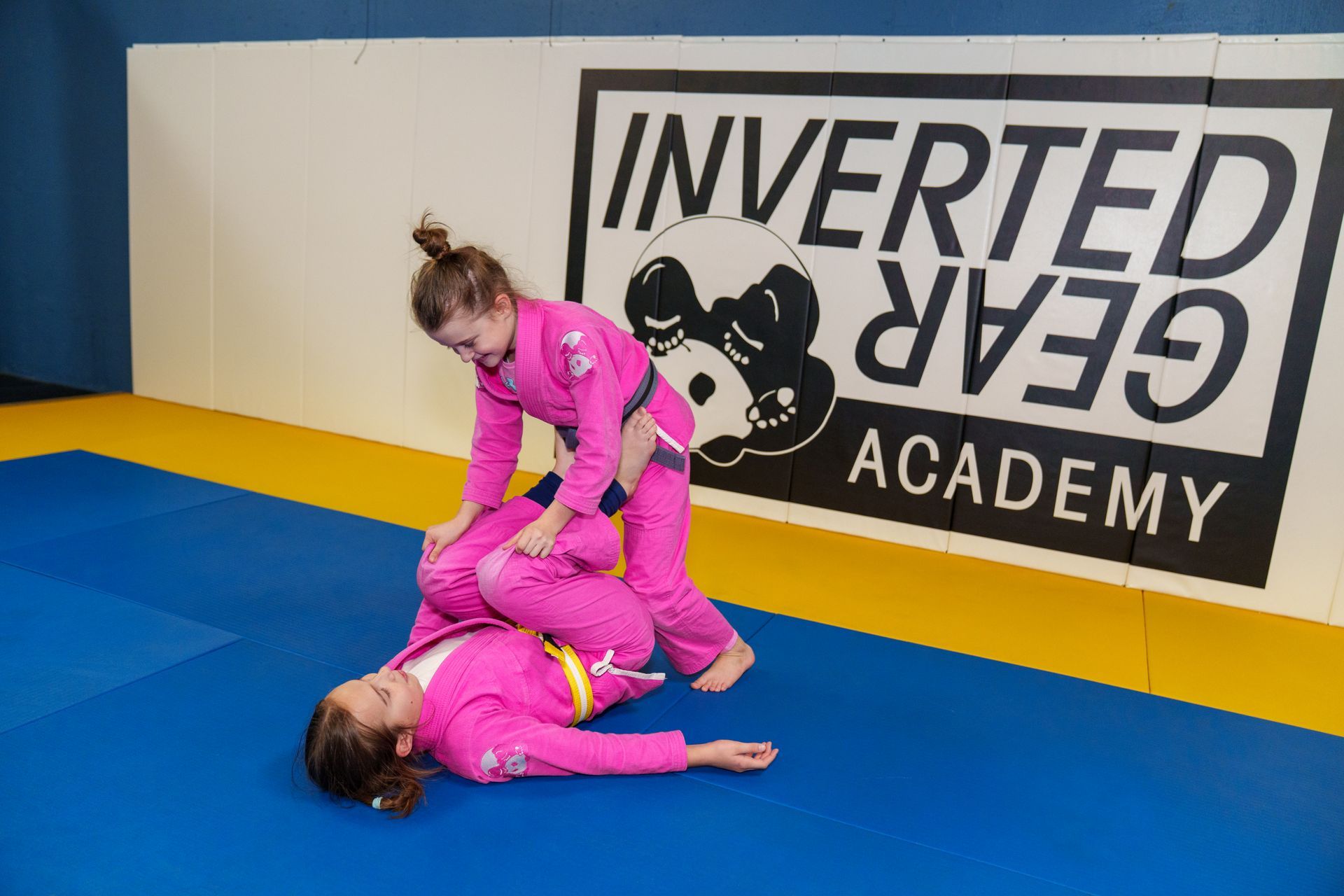
Youth jiu jitsu gives kids a place to learn confidence, calm problem-solving, and real self-control, one class at a time.
When parents in Bethlehem ask us about youth jiu jitsu, the question is rarely just about learning moves. It is usually about confidence, focus, fitness, and what to do when social pressure or bullying shows up at school. We hear it all the time: you want your child to feel capable, but you also want an activity that is structured, positive, and safe.
Youth Brazilian Jiu-Jitsu has been growing fast across the U.S., and that rise makes sense. It is hands-on, mentally engaging, and built around learning to stay calm in close situations. Studies and industry data often point to improved problem-solving from training, and we see that play out in everyday ways: kids begin thinking a step ahead, trying again after setbacks, and listening more carefully.
In our Bethlehem program, we treat the mat like a classroom. Your child can show up shy, loud, athletic, uncoordinated, anxious, or wildly confident already. Our job is to meet your kid where your kid is, then help build the habits that make life easier off the mat too.
Why Youth Jiu Jitsu Works So Well for Kids
Jiu jitsu is not just “exercise with a uniform.” It is a skill-based activity where progress is obvious and motivating. Kids learn a technique, practice it, make a mistake, adjust, and try again. That learning loop is the whole point.
We also like that jiu jitsu rewards good decisions more than raw strength. Leverage, balance, timing, and positioning matter. For many kids, that is a relief. It means smaller students can succeed, and bigger students learn control. Over time, kids learn that effort plus attention equals improvement, which is a lesson you can take home without even trying.
Because youth jiu jitsu is close-contact training, we emphasize boundaries early: asking partners to train, using controlled intensity, and stopping immediately when needed. Those social skills might sound simple, but for kids, learning to communicate clearly and respectfully is a big deal.
Building Confidence Without Creating Aggression
A common concern we hear is whether martial arts makes kids more aggressive. In our experience, the opposite is far more common when training is taught correctly. A child who feels powerless may act out. A child who feels capable usually calms down.
Confidence in youth jiu jitsu comes from repeated, real experiences: escaping a hold, maintaining balance, solving a puzzle under pressure, and learning how to breathe when something feels hard. It is not hype. It is earned.
We also coach kids on when not to use jiu jitsu. The skill is there to build safety and self-control, not to “win” an argument at school. When kids understand they have options, they tend to make better choices.
A Practical Approach to Anti-Bullying and Self-Defense
Parents often want to know if brazilian jiu jitsu for youth helps with bullying. We treat this carefully. Bullying is complex, and we never pretend a hobby fixes everything. But we do see clear benefits when kids train consistently.
First, posture changes. Kids who train regularly tend to stand and move with more purpose. That alone can reduce unwanted attention. Second, kids practice staying calm during physical pressure, which helps them avoid panic. Third, your child learns simple, effective ways to create space, off-balance someone safely, or get up and leave.
We also talk about awareness and choices. Self-defense is not only techniques. It is recognizing situations early, staying with friends, and getting help fast. On the mat, we can practice the physical part safely. Off the mat, we reinforce the decision-making that keeps kids out of trouble in the first place.
Fitness, Coordination, and Healthy Energy in a Screen-Heavy World
Kids need movement, and a lot of families are dealing with too much sitting. Youth programs are often discussed as a tool against childhood obesity because they get kids moving in a way that feels like play but still builds real athletic qualities.
Jiu jitsu is sneaky like that. Your child is sprinting, crawling, balancing, gripping, and rotating, often without realizing how much work is happening. We see improvements in:
• Mobility and flexibility through warm-ups and movement drills
• Grip strength and core control from holds and escapes
• Balance and coordination from learning how to base and move on the ground
• Endurance through short bursts of effort during training rounds
• Body awareness that carries into other sports and daily life
And yes, kids sleep better after good training. Parents mention that a lot.
What a Typical Youth Class Looks Like in Our Bethlehem Program
Structure matters for kids. A class that is too loose becomes chaos. A class that is too rigid becomes stressful. We aim for a balance: clear expectations, lots of reps, and enough fun that kids want to come back.
Most youth classes run 45 to 60 minutes and follow a consistent rhythm. We start with movement that warms up joints and gets the wiggles out. Then we teach a technique or concept in an age-appropriate way. After that, kids drill with partners so they can feel the idea with real resistance, but still under control.
We finish with supervised live training (often called rolling), scaled to the group. For newer kids, we keep the goals simple: position first, safety first, and learn to reset when something is confusing. At the end, we cool down and reinforce a life-skill theme like respect, resilience, or showing good sportsmanship when you win and when you lose.
Age Groups, Maturity, and the Best Time to Start
We work with kids and teens in a way that respects development. Some children are ready for structured training earlier, and some do better starting a little later. We typically see youth jiu jitsu work well across a wide range, roughly ages 5 to 17, with different class goals depending on stage.
Younger kids tend to learn best through games that hide the fundamentals: base, balance, movement, and listening. Middle school age often becomes the sweet spot for technical learning, because attention improves and kids love mastering details. Teens often want more agency and realism, and we can support goals like self-defense confidence, fitness, or competition preparation.
If you are unsure where your child fits, we can help you choose the right starting point. Watching a class in person makes it clearer quickly.
Safety: How We Keep Training Controlled and Kid-Appropriate
Safety is usually the first question, and it should be. Jiu jitsu involves contact, so we build a culture where tapping is normal, control is expected, and partners are protected.
We manage safety in several ways. We teach kids how to fall and move safely. We match partners by size and experience when possible. We set rules about intensity, and we enforce them consistently. We also focus on techniques that fit the age group and avoid risky behavior.
Here are a few practical habits we emphasize from day one:
1. Tap early and tap often, with no embarrassment attached
2. Listen for the coach’s stop and reset cues immediately
3. Use technique, not strength, especially with smaller partners
4. Keep hands and feet controlled, no wild movement
5. Speak up if something hurts or feels unsafe
We want your child to train for the long term. The goal is steady progress, not “winning practice.”
Discipline That Does Not Feel Like Punishment
Discipline is a word people use, but kids experience it differently. We aim to build discipline through routines that feel fair and predictable. Show up on time, line up, listen during instruction, try your best, and treat training partners with respect. When those habits repeat, kids internalize them.
What makes youth jiu jitsu special is that consequences are built into the activity. If you rush, you get off-balance. If you ignore details, the technique fails. If you panic, you waste energy. Kids learn to slow down and think, not because we lecture, but because it works.
We also keep expectations realistic. Some days your child is focused. Some days your child is not. We coach both days, and consistency usually wins.
Resilience and Problem-Solving You Can See at Home
One of the most underrated parts of brazilian jiu jitsu for youth is how it trains a child to stay in the moment when something is difficult. On the mat, your child might get stuck under someone, lose position, or forget the next step. That is normal.
We teach kids to treat those moments like puzzles. Make a frame. Create space. Move your hips. Breathe. Try again. Industry surveys often note that a large majority of practitioners report better problem-solving from training, and it is easy to understand why: jiu jitsu is constant problem-solving.
Parents tell us they notice this elsewhere. Homework frustration drops. Quitting decreases. Kids become more willing to try, fail, and try again. That is not magic. It is practice.
Community, Belonging, and Healthy Competition
Bethlehem families want activities where kids feel included. On the mat, kids work with many partners, not just one friend group. That helps shy kids connect and helps social kids learn empathy and cooperation.
We also create opportunities for goal-setting. Some kids want to compete, and competition can be a great teacher when approached the right way. We treat it as an extension of training: prepare well, do your best, learn from the result, and return to practice with a plan.
If your child does not want to compete, that is completely fine. The confidence and skill development still happen through consistent classes, and many students thrive without ever stepping into a tournament.
Youth Jiu Jitsu Bethlehem PA: What Parents Should Know Before Starting
If you are searching for youth jiu jitsu Bethlehem PA, you probably want the practical details too: schedule, costs, gear, and how to begin without overcommitting.
Monthly tuition for kids martial arts in many areas often falls around the 100 to 200 per month range, depending on training frequency, and gear costs can vary as well. We keep the process straightforward and help you understand what your child actually needs at the beginning. Most new students can start with basic gear and add items later as training becomes a routine.
A few simple tips make the first few weeks smoother:
• Have your child bring water and arrive a little early so the start feels calm
• Expect awkwardness at first, because every beginner feels it
• Encourage consistency over intensity, even one to two classes weekly helps
• Let your child talk about class after, but do not force the play-by-play
• Check the class schedule page so you can build a routine that sticks
If you want to watch a class, we welcome it. Seeing the vibe in the room matters, especially for kids.
Take the Next Step
Training works best when it becomes part of your family’s rhythm, not a short-lived experiment. At Inverted Gear Academy, we built our youth program to be structured, safe, and genuinely fun, while still teaching real jiu jitsu that grows with your child over time.
If you are looking for youth jiu jitsu in Bethlehem, PA that supports confidence, fitness, and respectful behavior in the same place, we would love to help you get oriented and choose the right class level for your child.
Put these techniques into practice by joining an Adult Jiu-Jitsu class at Inverted Gear Academy.