
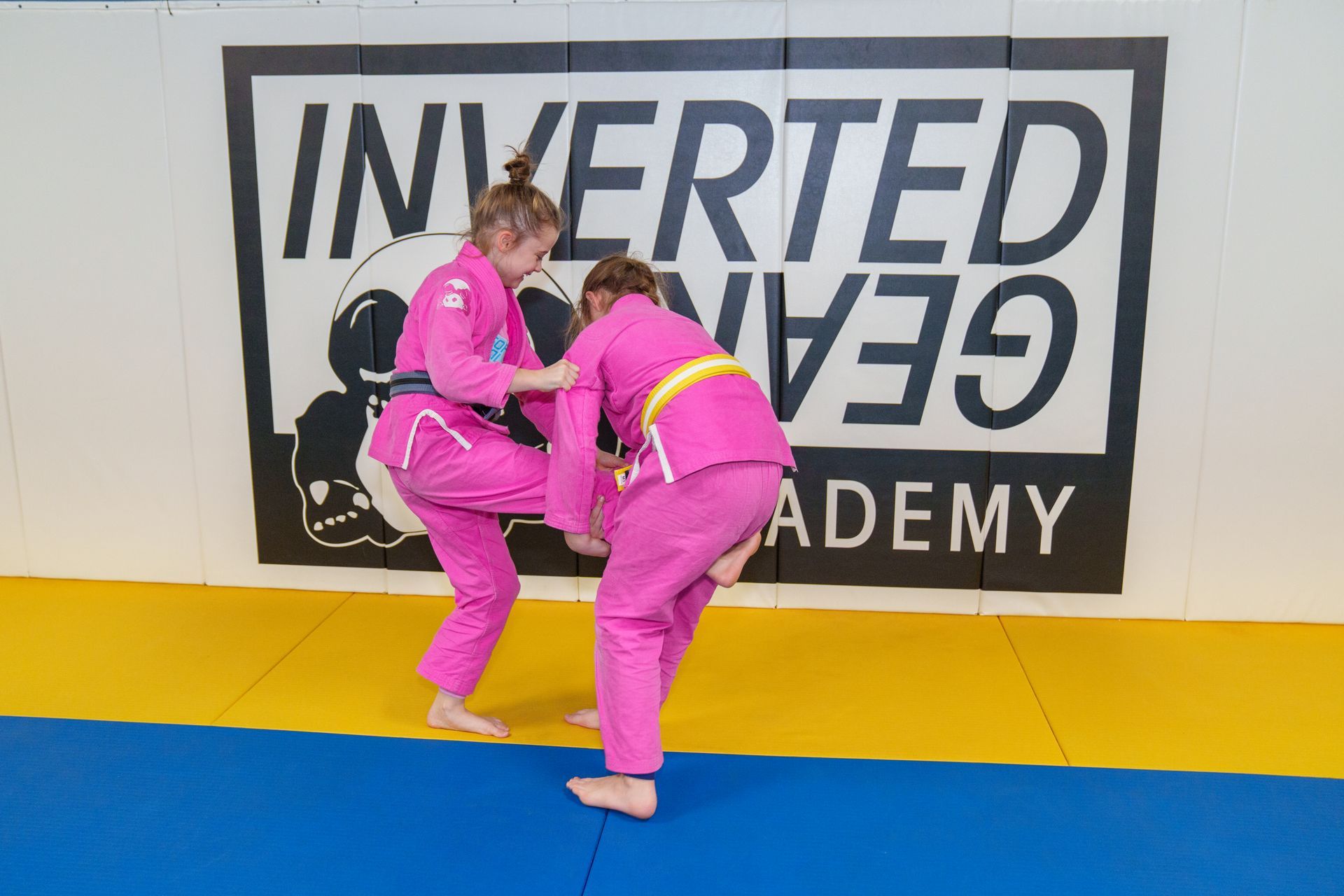
The right kind of grappling class can turn after-school energy into focus, confidence, and calmer mornings at home.
Youth jiu jitsu is often seen as “just a sport,” but in our Bethlehem, PA classes we watch it become something more practical: a repeatable way for kids to learn how to stay composed, work through problems, and keep trying when something feels hard. Those are school skills as much as mat skills.
Parents also want answers that feel real, not vague. Is it safe? Will my child actually listen better, sleep better, and handle stress with fewer meltdowns? Research on brazilian jiu jitsu for youth lines up with what we see week after week: kids build confidence, self-control, and resilience in a structured environment where effort matters.
In this guide, we’ll break down five clear ways youth jiu jitsu helps Bethlehem kids thrive in school and life, along with what you can expect from our classes and how to start without overthinking it.
1. Youth jiu jitsu builds confidence kids can use at school
Confidence is one of the first changes families notice, and it’s backed by data. In parent-reported outcomes from youth Brazilian Jiu-Jitsu, 96.4 percent reported gains in self-confidence, along with strong improvements in motivation and life-skill carryover. That matters in a classroom where kids are asked to participate, present, test, and speak up even when they feel uncertain.
On the mat, confidence isn’t a pep talk. It’s earned through small wins: remembering a step, escaping a position, or staying calm long enough to try again. We coach kids to focus on what we can control, like posture, breathing, and decision-making. Over time, “I can’t” becomes “Let me try it once more,” which is a quiet superpower when homework gets frustrating.
What confidence looks like in day-to-day life
You’ll usually see it show up in subtle ways first. A child might raise a hand more often, ask for help without feeling embarrassed, or recover quicker after a tough grade. Even social confidence can improve, because kids get used to being new at something, making mistakes, and still belonging in the room.
In Bethlehem, school pressure is real, and stress can hit even younger students. Youth jiu jitsu gives kids a reliable outlet that teaches them how to face discomfort in a controlled, supportive setting, then walk back into school feeling steadier.
2. It sharpens focus and discipline in a world full of distractions
Between phones, gaming, and nonstop notifications, focusing for long stretches is tough for adults, let alone kids. Youth jiu jitsu asks for attention in short, meaningful bursts: listen, watch, try, adjust, repeat. That structure builds the “muscle” of focus without kids feeling like they’re doing another worksheet.
Studies on youth BJJ show improvements in self-control and inhibitory control, especially with consistent training 1 to 3 times per week. Parents also report better concentration, with 78.6 percent noting improvements. That lines up with what we aim to teach: pause before reacting, think one step ahead, and commit to a plan.
How our classes train focus without feeling like school
We design class time so kids are engaged, moving, and learning in layers. A typical class includes instruction, partner drilling, and controlled sparring, with plenty of coaching in between. Kids quickly learn that details matter, because technique is what makes the art work, not size or strength.
When kids practice paying attention on the mat, they often bring that back to school routines like:
- Starting homework without a long battle
- Listening through multi-step instructions
- Staying calmer during tests and presentations
- Handling corrections without shutting down
That’s not magic. It’s repetition, guided well.
3. It teaches resilience and practical anti-bullying skills
Bethlehem families often ask if brazilian jiu jitsu for youth helps with bullying. The honest answer is that we can’t control what happens at school, but we can give your child tools: better posture, better boundaries, and a stronger sense of self. Research trends also show BJJ’s philosophical and self-regulation foundation can reduce antisocial behavior and aggression, building pro-social behavior rather than feeding a “fight first” mindset.
Resilience is trained every time a child gets stuck and has to problem-solve. In grappling, there’s always a way to improve your position, even if you’re not “winning” in the moment. That lesson transfers well to school conflicts and social pressure. Kids learn to breathe, think, and respond instead of escalating.
Why grappling can be a calmer kind of self-defense
Youth jiu jitsu is primarily about controlling space and pressure, not striking. That makes it well-suited for age-appropriate self-defense because kids learn how to manage distance, balance, and movement while staying controlled. We emphasize safety, respect, and appropriate behavior, and we reinforce that training is for protection and confidence, not showing off in the hallway.
A big part of anti-bullying is social strength too. When kids feel they belong somewhere, it’s easier to shrug off negative comments and less tempting to act out. Community matters, and parents consistently report that sense of belonging as a standout benefit.
4. It improves fitness, coordination, and overall health for growing kids
Some kids love traditional sports. Some don’t. Youth jiu jitsu can be a strong fit either way, because it develops athletic qualities that help in almost any activity: balance, coordination, flexibility, reaction time, and cardiovascular endurance. Research also supports these physical benefits and suggests improved body awareness can reduce injury risk in other sports.
Our classes keep kids moving, but not mindlessly. They’re learning how to fall safely, how to base, how to use hips and posture, how to grip without straining, and how to move with control. That combination of skill and conditioning is especially helpful for kids who need a positive outlet after school.
A realistic weekly training rhythm
We often recommend 1 to 3 sessions per week for most families. That’s enough to see meaningful gains without burning kids out or turning training into another pressure source. Consistency matters more than intensity, especially for youth.
If you’re looking for youth jiu jitsu Bethlehem PA families can actually stick with during the school year, the goal should be simple: a schedule that’s sustainable and keeps kids excited to come back.
5. It creates community and life skills that carry into adulthood
One of the most underrated parts of youth jiu jitsu is the social environment. Kids train with partners, rotate, learn to communicate, and learn to be safe for someone else. That’s leadership training in disguise. Research supports this, with parents reporting a strong sense of belonging and significant life-skill transfer.
In our gym, kids learn how to:
- Take turns being the “helper” and the “learner”
- Accept feedback without taking it personally
- Set small goals and track progress
- Respect rules that keep everyone safe
- Handle wins and losses with steadiness
And yes, the mood benefits are real. Parents report mood improvement at 92.8 percent and reduced anxiety at 87.5 percent in youth BJJ participation data. When kids have a structured place to move, learn, and belong, home life often feels less tense. Not perfect, but easier.
What your child will learn in our youth program
We keep our youth jiu jitsu curriculum structured and age-appropriate, with clear expectations and steady progress. Here are a few core areas we focus on:
• Fundamental movement skills like shrimping, bridging, and safe falling to build coordination and reduce injury risk
• Positional basics such as mount, guard, and side control so kids understand where they are and what to do next
• Escapes and defensive habits that teach calm problem-solving under pressure, not panic reactions
• Simple submissions taught with strict safety rules and close coaching so kids learn control and responsibility
• Live, controlled sparring that helps kids apply skills, build confidence, and practice sportsmanship
That’s the heart of brazilian jiu jitsu for youth: learning to think, move, and stay composed, all while having a lot of fun in the process.
Common questions Bethlehem parents ask about youth jiu jitsu
Is BJJ safe for kids?
Yes, when it’s coached properly with clear rules. Grappling is controlled, and we emphasize tapping, awareness, and partner safety from day one. We also match partners thoughtfully and keep the training age-appropriate.
What age is best to start?
Kids can benefit at a range of ages, and many families notice changes in confidence and self-control within a few months of consistent training. If your child can follow basic directions and participate safely, we can usually find a great starting point.
How does it help with school performance?
Youth jiu jitsu supports the habits behind performance: attention, persistence, and emotional regulation. When kids practice sticking with a tough drill, listening closely, and trying again after a mistake, school challenges feel more manageable too.
How often should my child train?
For most kids, 1 to 3 classes per week is the sweet spot. It’s enough volume to improve without turning training into a chore.
Take the Next Step
If you want a program that supports confidence, focus, resilience, fitness, and community all at once, that’s exactly what we aim to deliver at Inverted Gear Academy. Youth jiu jitsu works best when kids feel safe, guided, and genuinely excited to train, and we build our classes around those priorities.
If you’re in Bethlehem and you’re looking for youth jiu jitsu Bethlehem PA families can trust, we’d love to help you choose a starting point that fits your child’s age, personality, and school-year schedule at Inverted Gear Academy.
Give your child a positive and active outlet by joining the kids’ martial arts program at Inverted Gear Academy.